When It Feels Like Anxiety… But It’s Histamine
/By Laura Michelle Powers: Celebrity Psychic, Author, and host of Healing Powers Podcast
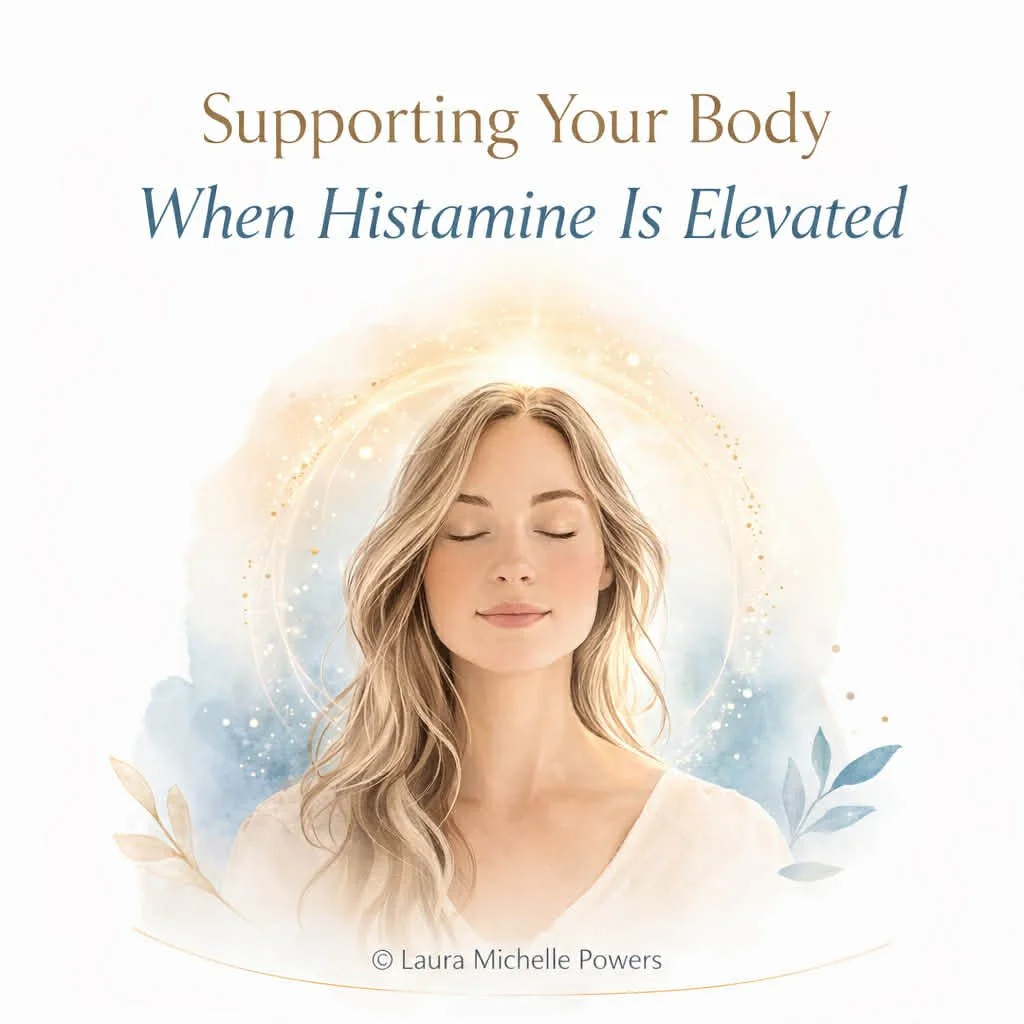
Not all anxiety is emotional or psychological. Sometimes, it’s physiological – driven by what’s happening in the body, not the mind.
Histamine is a natural chemical involved in the immune system, digestion, and brain signaling. But when histamine levels become too high or the body has trouble breaking it down, it can trigger symptoms that closely resemble anxiety.
This might look like a racing heart, restlessness, a sense of urgency, trouble sleeping, flushing, headaches, or a feeling of being “on edge” for no clear reason. You may even notice sudden waves of discomfort that seem to come out of nowhere.
Because these symptoms overlap so strongly with anxiety, it’s easy to assume the cause is stress or emotions. But in some cases, the body is reacting to internal or external triggers such as certain foods, environmental factors, hormonal shifts, or underlying sensitivities.
One key clue is timing. Histamine-related reactions often come on suddenly – sometimes after eating, drinking, or exposure to specific environments. They may also fluctuate throughout the day or intensify at night.
This doesn’t mean anxiety isn’t real – it simply means that not all anxious feelings originate from thoughts or emotions. Sometimes the body is sending signals that need a different kind of support.
If you suspect histamine may be playing a role, tracking symptoms, identifying patterns, and supporting your body’s ability to process histamine can be helpful. This might include dietary awareness, nervous system support, and working with a knowledgeable practitioner.
The more we understand the body’s signals, the more empowered we become to respond appropriately – rather than mislabeling what we’re experiencing.
Common High-Histamine Triggers
Histamine reactions can be influenced by a variety of factors. Some of the most common include:
Aged and fermented foods (such as wine, cheese, yogurt, vinegar, and kombucha)
Processed or leftover foods (histamine levels can increase the longer food sits)
Alcohol, especially red wine and champagne
Certain fruits and vegetables (like tomatoes, spinach, avocado, and citrus)
Smoked or cured meats
Environmental allergens (pollen, dust, mold)
Temperature changes or heat exposure
Hormonal fluctuations (especially around ovulation or menstruation)
Stress, which can increase histamine release in the body
Not everyone will react to all of these, and sensitivity levels can vary. The key is noticing your unique patterns and responses.
What May Help Lower Histamine
Supporting the body’s ability to regulate histamine often involves a combination of simple, consistent practices:
Eating fresh, whole foods and minimizing leftovers
Identifying and reducing personal trigger foods
Supporting gut health, which plays a key role in histamine breakdown
Prioritizing quality sleep and consistent daily rhythms
Managing stress through grounding practices like breathwork, meditation, or gentle movement
Staying hydrated to support overall detoxification pathways
Considering targeted nutrients or support (such as vitamin C or DAO support) with guidance from a practitioner
Small shifts can make a meaningful difference over time. The goal isn’t perfection – it’s learning how your body responds and creating more stability and ease within your system.
If you think you may be having a histamine response, be sure to check out my podcast recording with Dr. Kelly McCann.