Mast Cell Activation Syndrome and Histamine Intolerance When Your Body Is Reacting to Everything
/By Laura Michelle Powers: Celebrity Psychic, Author, and host of Healing Powers Podcast
Many people today experience mysterious symptoms that seem to come out of nowhere: sudden rashes, flushing, digestive issues, anxiety, headaches, fatigue, or reactions to foods that were once completely fine.
If this sounds familiar, two possible underlying contributors that are increasingly being discussed in both medical and holistic communities are mast cell activation syndrome (MCAS) and histamine intolerance.
These conditions can affect multiple systems in the body and are often misunderstood or misdiagnosed. Understanding how they work can help you support your body more effectively and reclaim balance.
What Are Mast Cells?
Mast cells are a type of immune cell found throughout the body, especially in the skin, digestive tract, respiratory system, blood vessels, and nervous system.
Their job is to detect threats and trigger the immune response. When mast cells sense danger—such as allergens, toxins, infections, or injury—they release chemical messengers called mediators, the most well-known being histamine.
Histamine plays an important role in the body, helping with immune defense, digestion, communication between cells, and regulation of stomach acid.
However, when mast cells release too much histamine or become overly reactive, symptoms can occur throughout the body.
What Is Mast Cell Activation Syndrome (MCAS)?
Mast Cell Activation Syndrome occurs when mast cells release mediators too easily or too frequently, even when there is no true threat.
This can cause chronic inflammation and a wide variety of symptoms because mast cells are located in many organs and tissues.
Common MCAS symptoms may include flushing or skin rashes, hives or itching, digestive issues such as bloating, diarrhea, or nausea, brain fog or headaches, rapid heart rate or dizziness, anxiety or panic-like sensations, fatigue, food sensitivities, and sensitivity to chemicals or fragrances.
Symptoms often come and go unpredictably, which can make the condition difficult to identify.
What Is Histamine Intolerance?
Histamine intolerance occurs when the body cannot properly break down histamine, leading to a buildup in the system.
Normally, the body uses enzymes such as DAO (diamine oxidase) and HNMT to metabolize histamine. When these enzymes are not working efficiently, histamine levels can rise and trigger symptoms.
Common symptoms of histamine intolerance include headaches or migraines, flushing or skin redness, nasal congestion, digestive discomfort, heart palpitations, anxiety or insomnia, hives or itching, and sensitivity to certain foods.
Histamine intolerance is often linked to gut health, since DAO is produced in the intestinal lining.
Foods High in Histamine
For those sensitive to histamine, certain foods may trigger symptoms, especially when eaten frequently.
Examples include fermented foods such as sauerkraut, kimchi, and kombucha; aged cheeses; alcohol, especially wine and beer; processed or cured meats; vinegar-containing foods; tomatoes and eggplant; spinach; chocolate; and avocados.
Interestingly, foods that are freshly prepared tend to contain less histamine, while foods that are aged, fermented, or stored for long periods often contain more.
Why These Conditions Are Becoming More Common
Many practitioners believe mast cell activation and histamine intolerance are increasing due to a combination of factors, including chronic stress, environmental toxins, mold exposure, gut microbiome imbalance, viral infections, hormonal changes, and chronic inflammation.
When the body is under long-term stress or immune pressure, mast cells may become hypervigilant, reacting to stimuli that were previously harmless.
The Mind–Body Connection
From a mind–body perspective, mast cells are part of the body’s early warning system. When the nervous system remains in a heightened state of alert, the immune system may mirror that response.
Practices that calm and regulate the nervous system can be powerful allies in healing, including meditation and breathwork, gentle movement such as yoga or walking, time in nature, energy healing practices, and adequate rest and recovery.
Learning to listen to the body’s signals—rather than pushing through symptoms—can help restore a sense of safety within the system.
Supporting Your Body if You Suspect Mast Cell Activation or Histamine Intolerance
If you suspect your body may be experiencing mast cell activation or histamine intolerance, the goal is not simply to suppress symptoms but to support the systems of the body that regulate inflammation, immunity, and detoxification.
Because histamine affects multiple organs—including the gut, brain, skin, and nervous system—healing usually involves a whole-body approach.
Calm and Regulate the Nervous System
The nervous system and immune system are deeply connected. When the body is stuck in a chronic stress response, mast cells can become more reactive.
Supporting nervous system regulation may include meditation or breathwork, gentle movement such as walking, yoga, or stretching, adequate rest and restorative sleep, time in nature and sunlight, and practices that promote emotional balance and relaxation.
Even small daily practices that signal safety to the body can help reduce inflammatory signaling.
Support Gut Health
A large portion of histamine metabolism occurs in the digestive system. When the gut lining is irritated or imbalanced, histamine breakdown can be impaired.
Helpful strategies may include supporting a healthy gut microbiome, addressing intestinal inflammation or permeability, eating freshly prepared foods when possible, and identifying and reducing foods that trigger reactions.
Healing the gut can often play a central role in improving histamine tolerance over time.
Reduce the Overall Histamine Load
Sometimes the body simply needs time to calm down. Temporarily lowering exposure to histamine triggers may help reduce symptoms while the body heals.
This may involve limiting high-histamine foods for a period of time, avoiding leftovers that have been stored for long periods, reducing alcohol intake, and being mindful of environmental triggers such as strong fragrances or chemicals.
Many people find that once the body stabilizes, tolerance improves gradually.
Support Detoxification Pathways
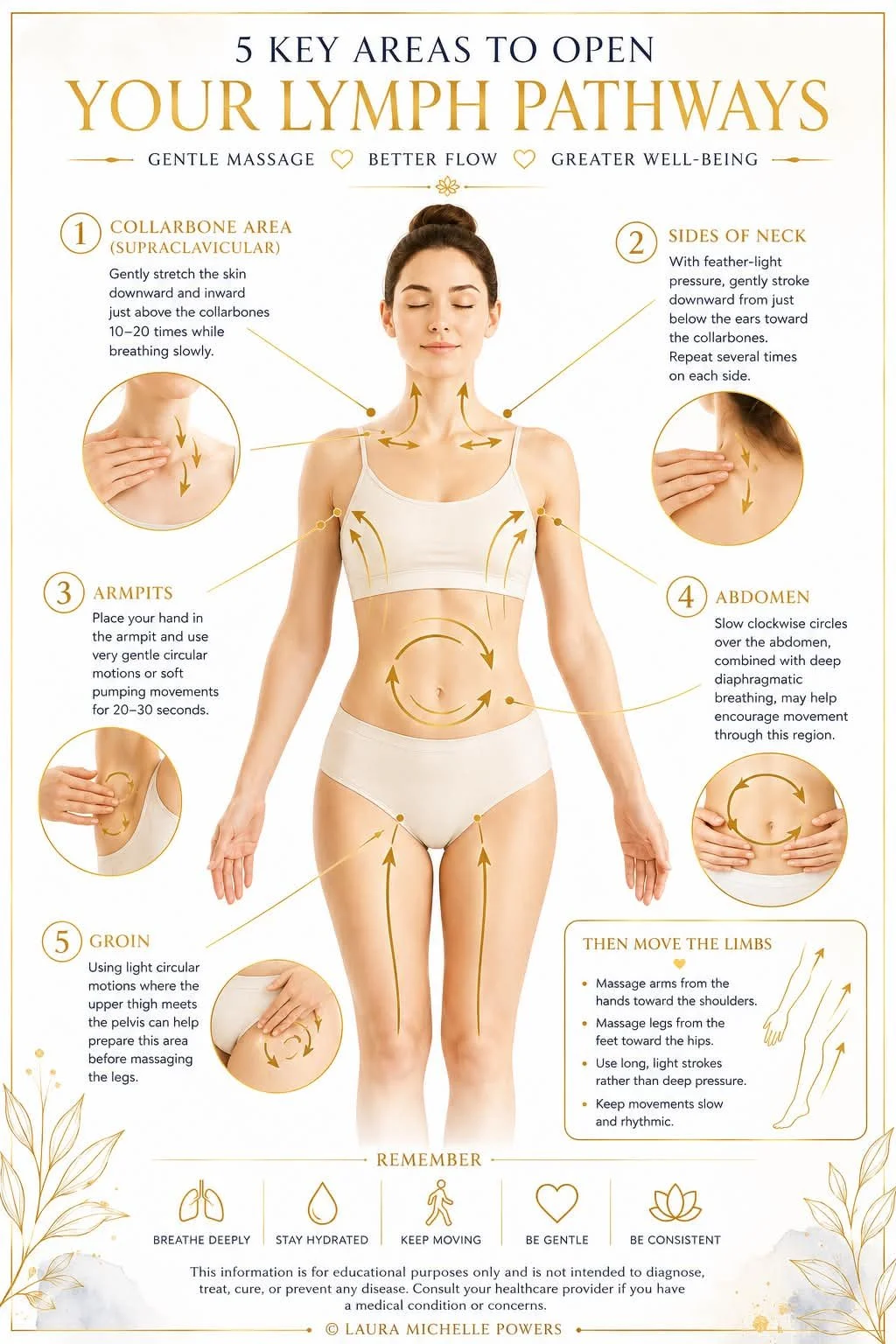
Histamine and inflammatory compounds must be processed through the body’s detoxification systems, including the liver and lymphatic system.
Ways to gently support these systems include staying well hydrated, supporting liver health through balanced nutrition, light movement to encourage lymphatic circulation, and sweating through exercise or sauna if tolerated.
The goal is not aggressive detoxification, but rather steady, gentle support for the body’s natural processes.
Address Environmental and Lifestyle Stressors
For some individuals, mast cell activation can be triggered or worsened by underlying stressors such as mold exposure, environmental toxins, chronic infections, hormonal imbalances, and long-term stress.
Working with a knowledgeable practitioner can help identify potential contributors and create a personalized plan.
Work with a Qualified Practitioner
Because mast cell activation syndrome and histamine intolerance can have many overlapping causes, professional guidance can be extremely helpful.
Integrative or functional medicine practitioners may explore nutritional support, gut health testing, histamine metabolism support, and targeted lifestyle changes.
Healing is often gradual and individualized, and many people improve significantly once the underlying triggers are addressed.
Natural Nutrients That May Support Histamine Balance
For individuals experiencing histamine intolerance or mast cell activation, certain nutrients may help support the body’s natural ability to regulate histamine and calm inflammatory responses.
While these nutrients are not cures, they may play a supportive role in helping the body restore balance.
Vitamin C
Vitamin C is one of the most well-known natural compounds that may help reduce histamine levels in the body. It functions as both an antioxidant and a natural mast cell stabilizer, meaning it may help reduce the release of histamine from mast cells.
Potential benefits may include supporting immune balance, reducing oxidative stress, and helping the body metabolize excess histamine.
Many people prefer obtaining vitamin C through whole foods such as citrus fruits, berries, kiwi, and bell peppers, though supplements are sometimes used under guidance.
Quercetin
Quercetin is a plant flavonoid found in foods such as apples, onions, capers, and berries. It is often referred to as a natural antihistamine because it may help stabilize mast cells and reduce inflammatory signaling.
Potential benefits may include helping regulate mast cell activity, supporting immune system balance, and reducing inflammatory responses.
Quercetin is frequently used in integrative medicine approaches for people experiencing seasonal allergies, mast cell activation, or histamine sensitivity.
DAO (Diamine Oxidase)
DAO is an enzyme responsible for breaking down histamine in the digestive tract. When DAO activity is low, histamine can accumulate in the body.
Some individuals use DAO enzyme supplements before meals to help support the breakdown of dietary histamine.
Supporting DAO activity may involve healing the intestinal lining, supporting gut health, and ensuring adequate nutrient intake.
Because DAO is produced in the intestinal lining, gut health plays an important role in maintaining healthy histamine metabolism.
Magnesium
Magnesium is involved in hundreds of biochemical reactions in the body and plays an important role in nervous system regulation and inflammation control.
Magnesium may support histamine balance by helping calm the nervous system, supporting healthy immune function, and reducing inflammatory signaling.
Many people today are deficient in magnesium due to soil depletion and stress, making it an important nutrient for overall wellness.
Vitamin B6
Vitamin B6 plays a role in many metabolic pathways, including those involved in histamine metabolism and neurotransmitter balance.
Adequate levels of B6 may support healthy histamine breakdown, nervous system function, and energy metabolism.
B6 can be found in foods such as poultry, bananas, potatoes, and chickpeas.
Omega-3 Fatty Acids
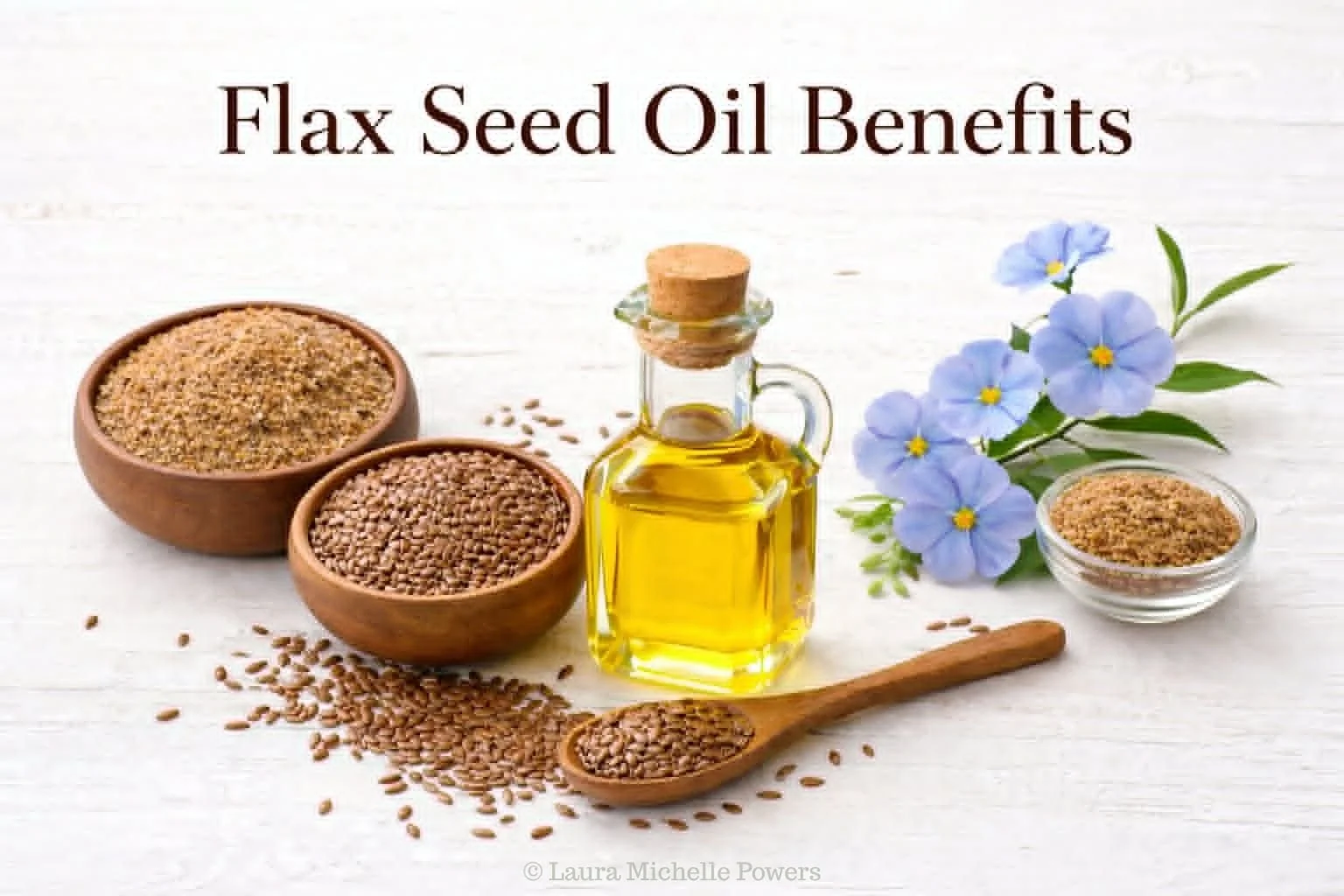
Omega-3 fatty acids—found in foods such as fatty fish, flax seeds, and walnuts—are well known for their anti-inflammatory properties.
These healthy fats may help reduce systemic inflammation, support immune regulation, and promote balanced inflammatory responses in the body.
Because mast cell activation is often linked to chronic inflammation, omega-3s may play a supportive role in restoring balance.
A Gentle Reminder
Every body is unique, and what works well for one person may not work the same way for another. It is wise to introduce new supplements slowly and, when possible, work with a qualified healthcare practitioner who understands histamine-related conditions.
Supporting the body with the right nutrients—combined with nervous system care, gut health, and lifestyle balance—can often make a meaningful difference in how the body responds and heals.
If you have been experiencing unexplained reactions in your body, know that you are not alone. As awareness of mast cell activation syndrome and histamine intolerance continues to grow, more people are finding answers and pathways toward healing.
The body is incredibly intelligent. Often, symptoms are signals that something in the system needs attention, support, or balance. By listening to the body and supporting both the physical and energetic aspects of healing, it is possible to move toward greater harmony and well-being.